
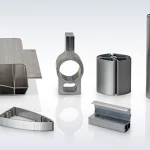
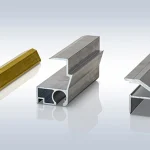
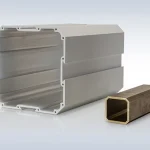
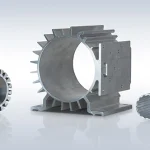







Our manufacturing processes
Extrusion
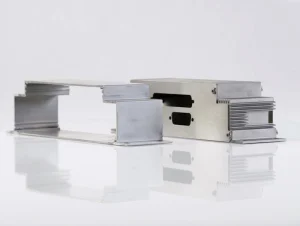
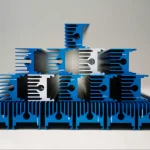
IsoProfil extrusion processes include:
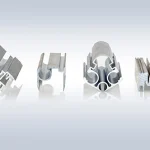
The pressed part is extruded under high pressure through a forming die which shapes it and IsoProfil offers an above-average level of precision, which exceeds DIN EN 12020-2 ✓
and DIN EN 755-9 ✓ norms.
Our geometry profile has tolerances of up to ± 0.01 mm and can produce any desired extruded profile in a variety of shapes and sizes, as well as offering high-quality surface treatment.
Roll forming
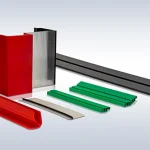
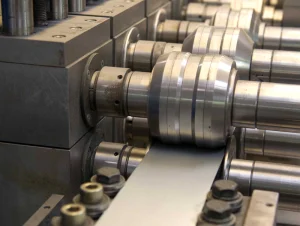
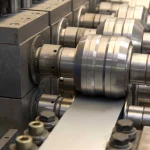
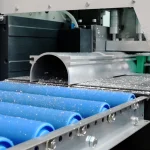
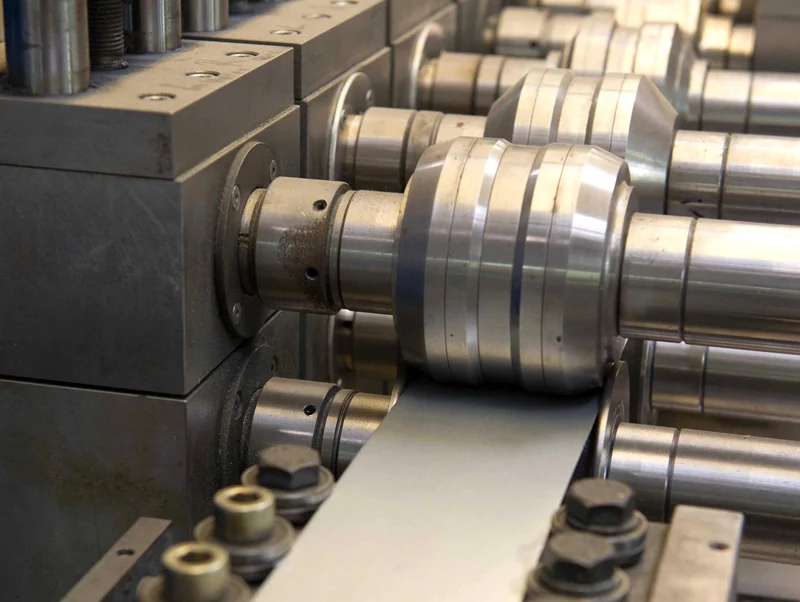
Roll forming – or rollforming – is a manufacturing technique that we frequently use in the production of tubes and profiles. The great advantage of this technology is its cost efficiency: due to the high processing speed, the products can be manufactured faster and therefore more cheaply. Roll forming of strips, preferably made of metal, is a traditional, frequently used manufacturing process. Advantage: High processing speeds of up to 250 m/min ensure excellent cost efficiency.
Disadvantage: With very few exceptions, only walls of equal thickness can be produced within one profile shape.
Casting
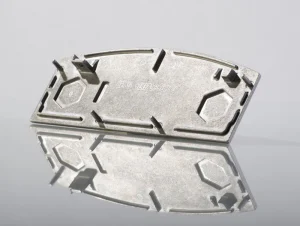
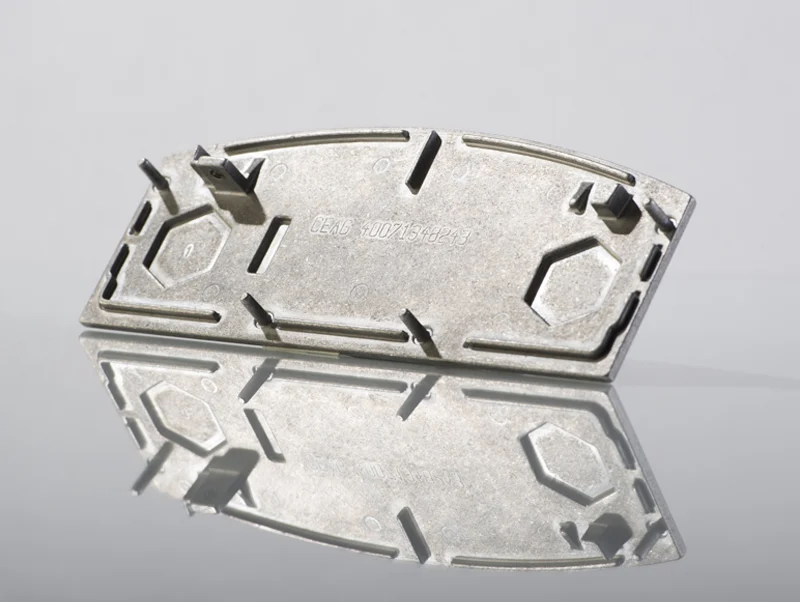
For small and large tasks, mainly in the field of joining technology for profiles, IsoProfil also includes cast products in its product range. As a manufacturing process, casting belongs to the group of primary forming processes. The general principle: A liquid material is filled into a mould and solidifies there in a given shape. After the material has solidified, the part can be removed. The casting process can be used for all kinds of objectives. In this way, complex as well as simple parts, samples or even serial products can be produced by casting. In order to provide you with the most suitable and economical casting for your problem, IsoProfil uses the following casting methods:
- Die casting
- Investment casting
- Injection moulding
- Sand casting
- Permanent mould casting
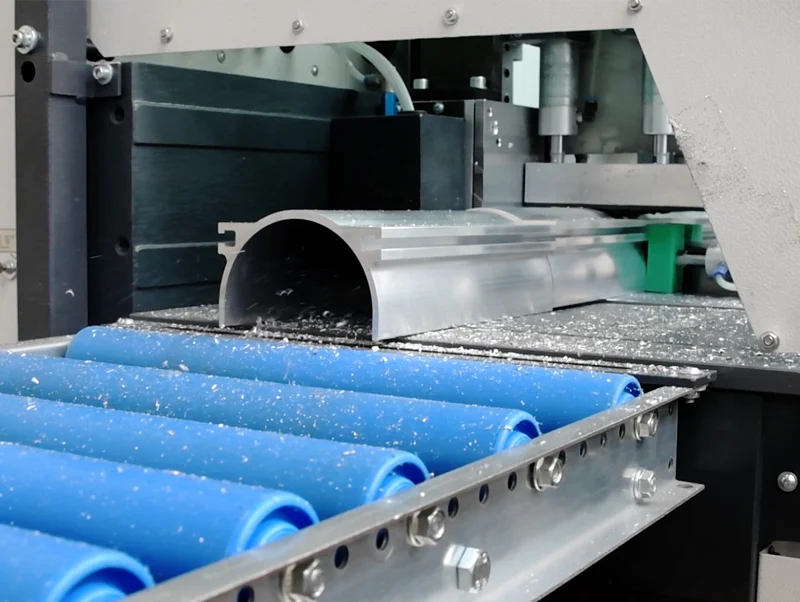
Mechanical processing
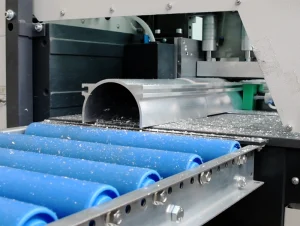
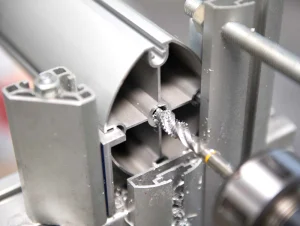
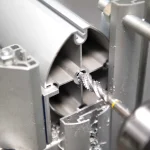
IsoProfil is not only a profile supplier. In the department for mechanical processing, your profile gets the final touch. According to your specifications, IsoProfil manufactures precisely fitting system parts – functional guarantee is also our top priority in this process. In order to guarantee this, IsoProfil uses a wide range of machining processes that work with the highest precision. Processing methods include:
- Friction stir welding
- Sawing
- Countersinking
- Drilling
- Punching
- CNC milling
- Bending
- Edging
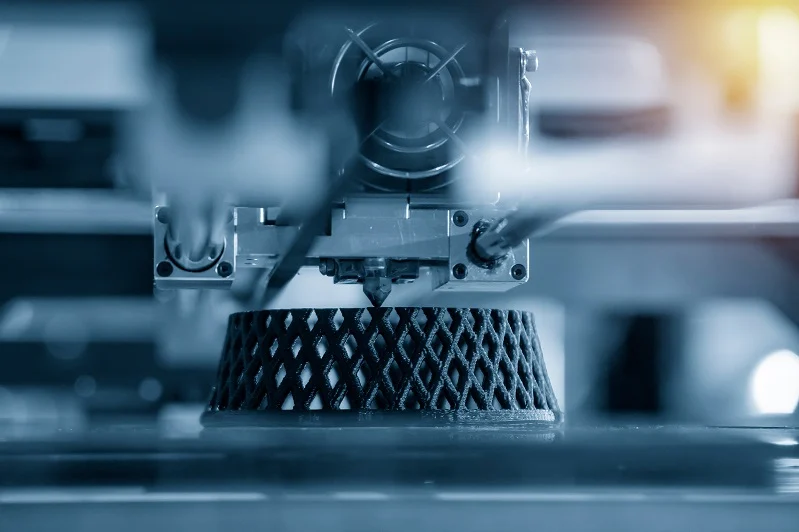
Additive manufacturing
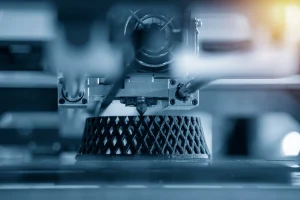
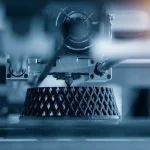
Additive manufacturing ensures rapid production of complex structures in a single operation. Your ideas become tangible. A geometrically independent production is possible with 3D printing. IsoProfil chooses the right material for every application:
- Metals: aluminium, tool steel, stainless steel, titanium, nickel-chrome
- Plastics: light-curing duromers, elastomers, thermoplastics, photopolymers, polyamide and polycarbonates
More about additive manufacturing processes from IsoProfil
Chipless machining
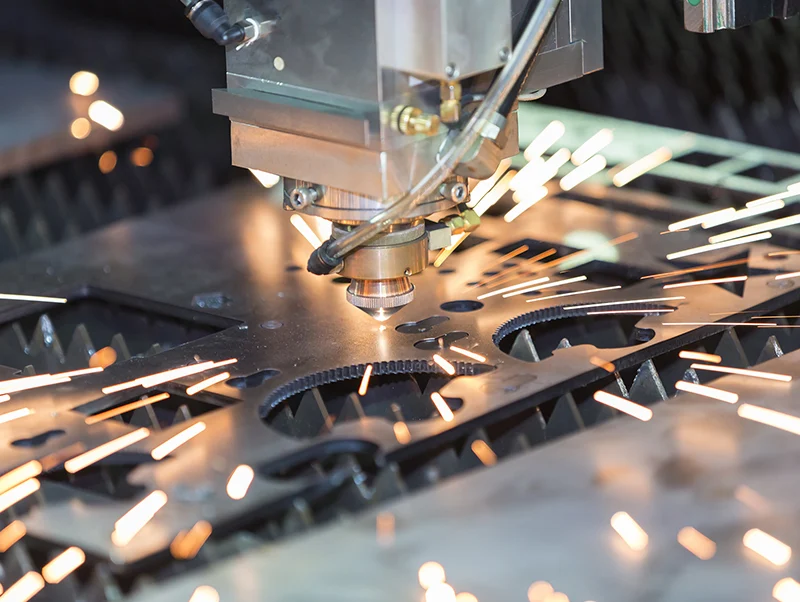
This type of processing describes the shaping of materials without removing any of the material. The shaping can be done in cold or warm conditions. IsoProfil offers the following chipless machining methods:
- Bending
- Folding
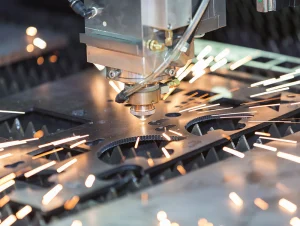
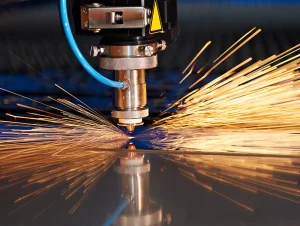
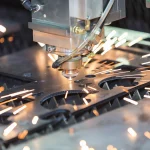
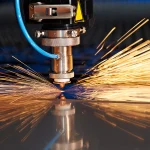
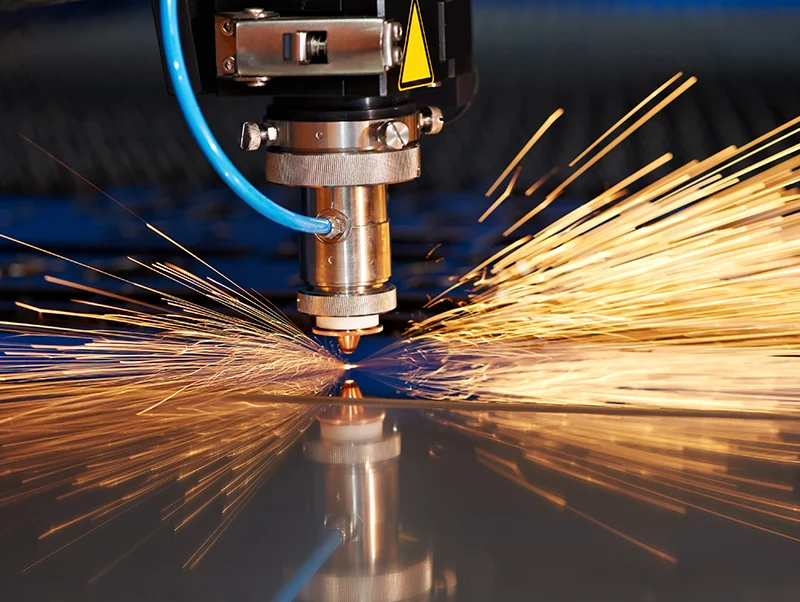
- Laser cutting
- Cutting
- Welding processes to produce special components, also using different materials
Surface treatment
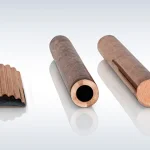
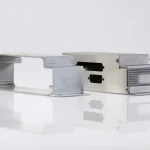
Be it aluminium profiles, copper profiles or brass profiles: we are a one-stop-shop for complex profiles, profile systems and system components. IsoProfil offers the following surface treatments:
- Powder coating in different optics (surface finishes) and colours
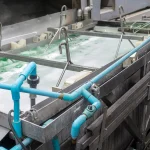
- Anodising for the finishing of aluminium profiles etc.
- Painting by spray painting
- Electroplating of surfaces in chrome, gold, ruthenium
- Cathodic dip coating (KTL)
- Blackening and colouring
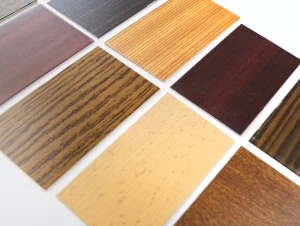
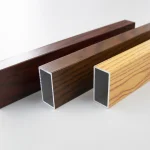
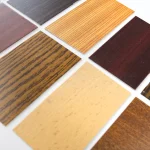
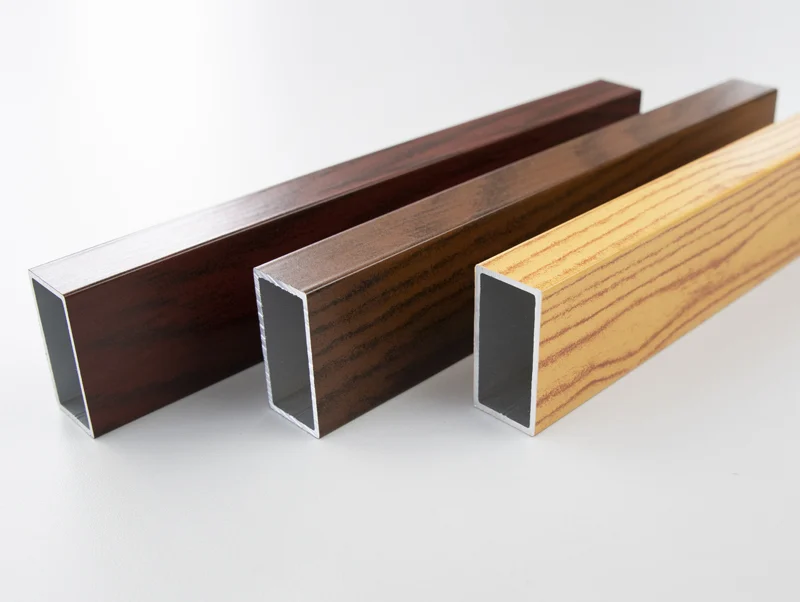
- Wood design
- Gilding
> More about surface treatments from IsoProfil
Branding and labelling
IsoProfil brands and labels its products using the following methods:
- Silkscreen
- Film labelling
- Laser marking
- Engraving
Manufacturing processes – FAQ
The cost of a die depends largely on the profile cross-section, size, complexity, alloy and die design. Simple profiles are generally less expensive than complex multi-cavity profiles. Once we have checked your drawing, we can provide a specific quotation for the die.
Depending on complexity and capacity, making a die typically takes several weeks. Once the technical requirements have been checked, we can give you a specific date for the die and the first samples.
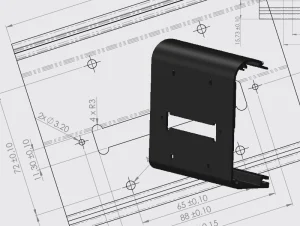
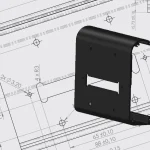
Depending on the scope of supply, profiles can, for example, be milled, drilled, countersunk or threaded. The machining can be agreed on the basis of 2D drawings or 3D CAD data.
Yes, but not in all shapes and sizes. IsoProfil will be happy to check your requirements and send you a quotation