
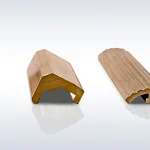
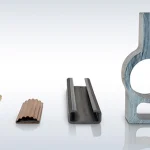








Engineering profiles
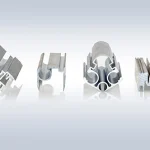
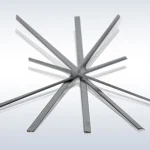
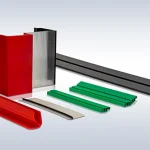
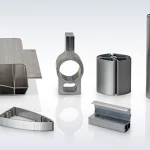
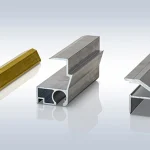
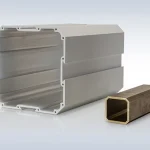
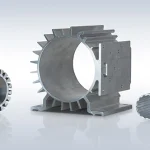
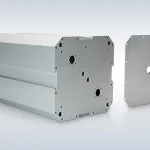
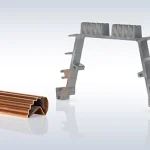
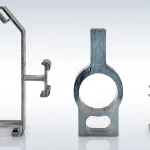
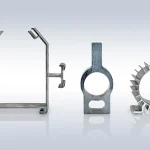
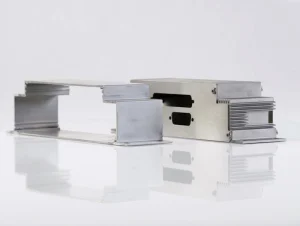
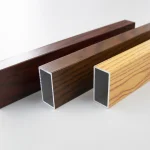
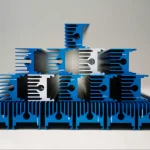
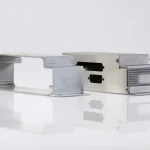
Precise, flexible, high-quality - our engineering profiles meet the highest requirements and are thus suitable for even the most demanding applications. Here, we offer our customers both products in standard dimensions and individual solutions according to specific requirements. Modern production processes, many years of experience and commercial expertise also ensure that our machine profiles also convince through attractive prices.
Engineering profiles - Available in many sizes
Basically, we always have some standard sizes available for our customers, such as machine construction profiles in 40x40 or also in 30x30. The advantages are obvious: We can react quickly to customer inquiries and also process larger order volumes in the shortest possible time.
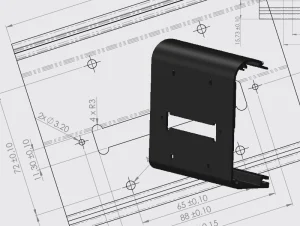
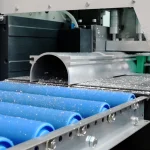
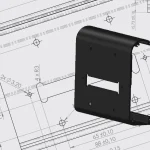
In addition to these standard dimensions, we are also able to produce aluminium profiles exactly according to the specific requirements of our customers with our high-performance machinery. For this purpose, our experienced employees exclusively use modern CAD software to optimally design the products.
The advantages of our engineering profiles
High precision
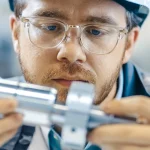
20 times higher precision than the extrusion standard of DIN EN 12020-2 and DIN EN 755-9.
Wide range of possibilities
The degree of precision that we achieve in production gives you a wide range of possibilities. Designers and engineers are very free in their design because our extruded profiles do not tie them to conventional standard specifications.
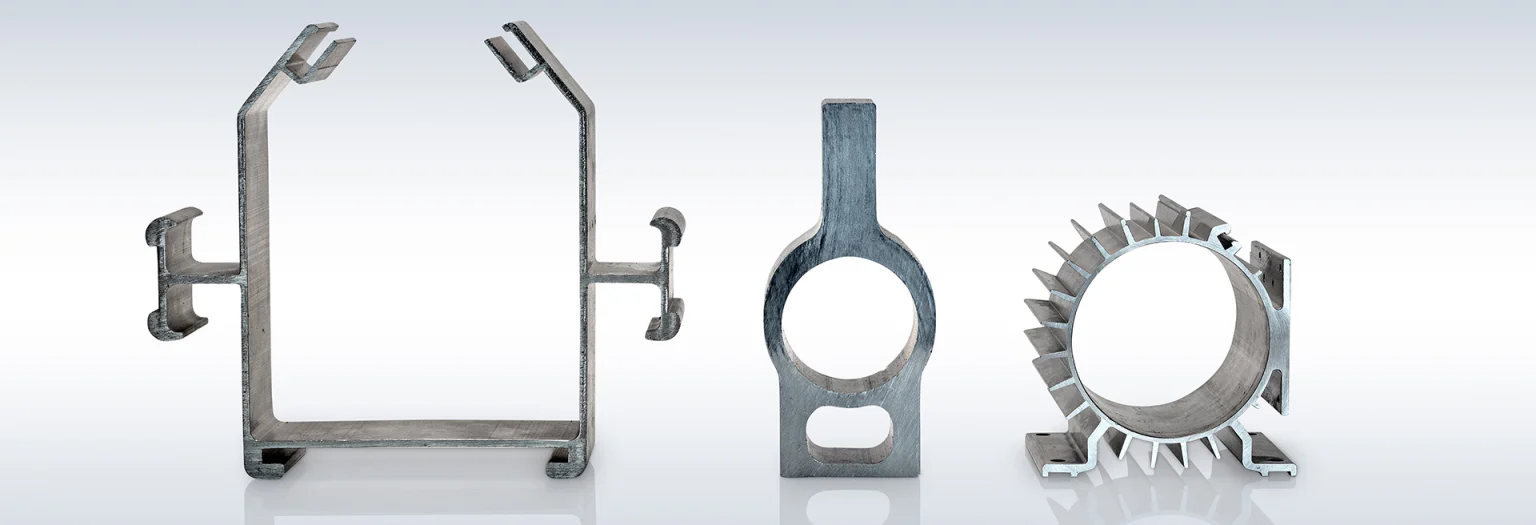
Complex profile geometries can be formed
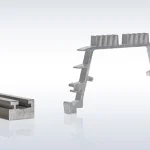
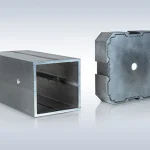
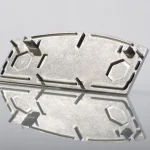
This manufacturing process can also be used to produce complicated profile geometries and specially shaped cavities, for example. We manufacture profiles with complex shapes and sizes, with optimum surface finishing and very thin walls down to 1.1 mm.
From the design to the final profile
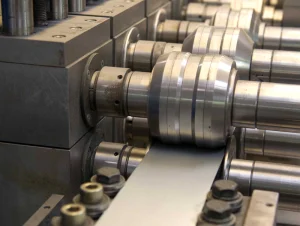
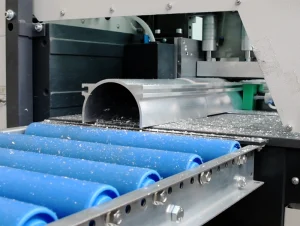
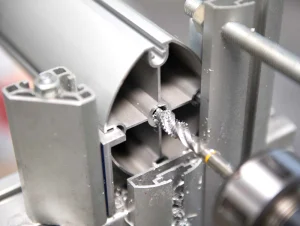
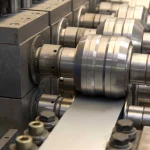
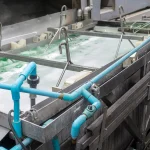
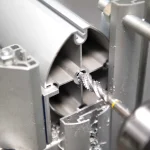
We use high-quality, complex production equipment for manufacturing, for example for CNC machining, assembly and surface treatment. This way we can supply you with completely finished profiles.
Aluminium engineering profiles
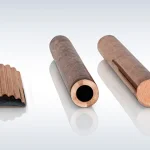
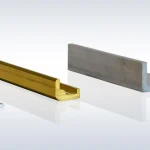
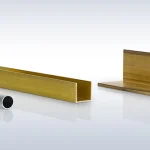
Aluminium is one of the most popular materials for many applications because, despite its low weight, the metal has excellent properties in terms of stability, corrosion protection and electrical conductivity. That is why aluminium profiles are used particularly frequently for a wide range of applications. Of course, we can also advise you on other metals if they meet your requirements better or are a cost-effective alternative with the same suitability. These include, for example, zinc, brass, copper, various stainless steel alloys and non-ferrous metals.
Engineering profiles with notch and connector
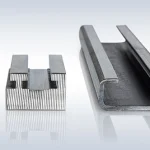
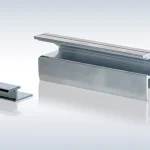
For complex applications, it is recommended to order machine construction profiles with groove. If these have an identical grid dimension, they can be easily connected with each other using the appropriate profile connectors. This results in numerous and extremely flexible application possibilities. Of course, our experts will be happy to advise you on this so that you end up with an ideal product.
Our engineering profiles are suitable for many industries
Due to the wide range of sizes and individual dimensions, but also different materials, our mechanical engineering profiles are suitable for use in numerous industries. For example, aluminium profiles are used here:
- For simple racks and machine frames
- Laboratory equipment
- Production facilities
- Workplace systems
- Automation solutions
- Transport systems
This list is by no means complete, so please feel free to contact our experts if you are unsure about the application of aluminium profiles. Of course, our employees are also available to answer any questions you may have about our products. The best thing to do is to contact us right away!
Engineering profiles – FAQ
Engineering profiles, also known as construction or system profiles, are standardised metal components used in mechanical and plant engineering.
- Aluminium
- Steel
- Stainless steel
- To a limited extent also brass
Because of its low weight, most profiles are made of aluminium.
- Quick screw connection with hand tools
- Flexibility (can be dismantled and rebuilt)
- No rust thanks to anodising
- Very low weight, yet very stable
- Time-consuming cutting, welding and drilling
- Permanently fixed; modifications require angle grinding and re-welding
- Must be painted or galvanised afterwards because of rust formation
- Heavy weight, higher transport and handling costs
Aluminium profiles are the right choice when plant layouts change frequently; for robot arms or linear axes, to save energy costs through lower weight; to save time, as they can be used without much effort; and in medical applications because of their cleanliness
Steel profiles are the right choice for extreme loads, e.g. in hall constructions; where vibrations and oscillations occur, as they have a higher inherent damping; at very high temperatures or in contact with chemicals; and, with a view to costs, in large projects with thousands of identical profiles/applications
Yes, but only for certain areas, such as sliding and guide elements because of their low abrasion, or in electrical engineering as busbars/connectors. Also in housings for liquids or in micro-engineering because of their excellent machinability
In principle, the feasible tolerances depend on the production method and are based on the specified DIN standards. IsoProfil will be happy to check your specific application and send you a quotation.
Yes, but bear in mind that contact corrosion will occur if humidity, condensation or coolant come into play. The profiles should therefore be coated, or special screws should be used. In dry environments this corrosion does not occur, and the profiles can be combined without hesitation.